

NAME
Safran Additive Manufacturing Campus
OWNER
SAFRAN
LOCATION
Le Haillan (33)
COST OF STUDIES
Around 50 000 € HT
DATE OF STUDIES
2019 – 2020

NAME
Safran Additive Manufacturing Campus
OWNER
SAFRAN
LOCATION
Le Haillan (33)
COST OF STUDIES
Around 50 000 € HT
DATE OF STUDIES
2019 – 2020
OBJECTIVES:
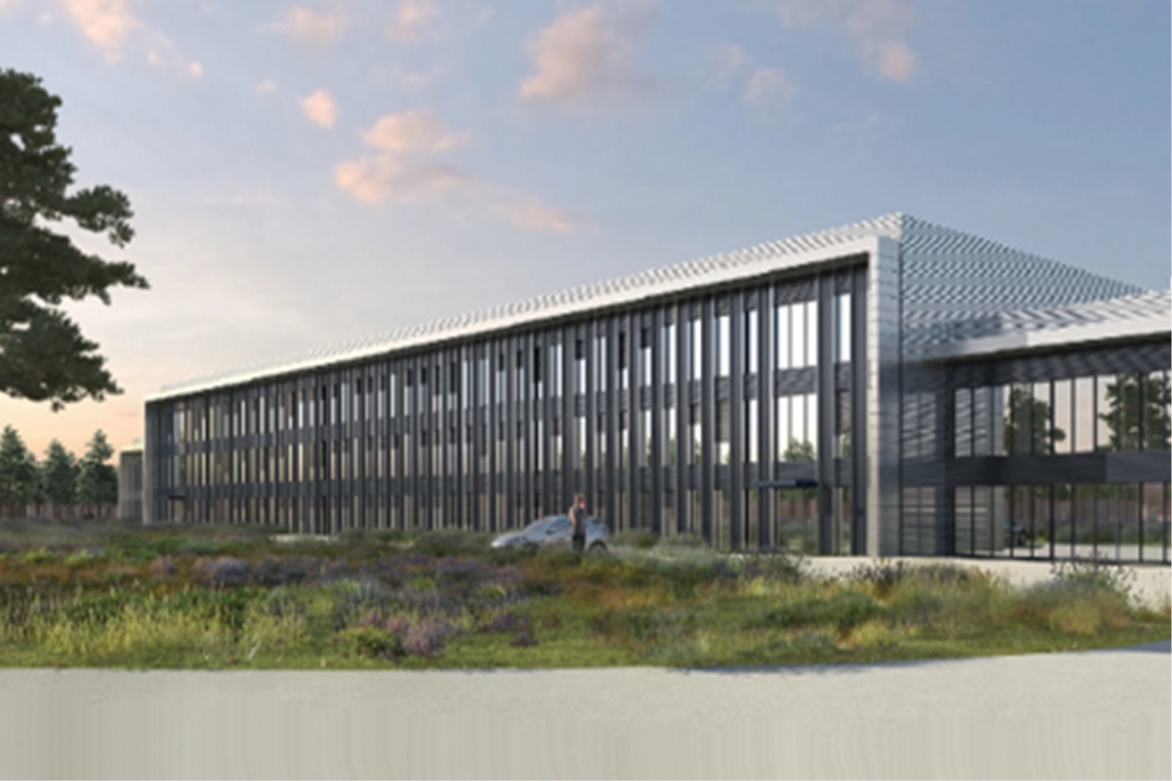
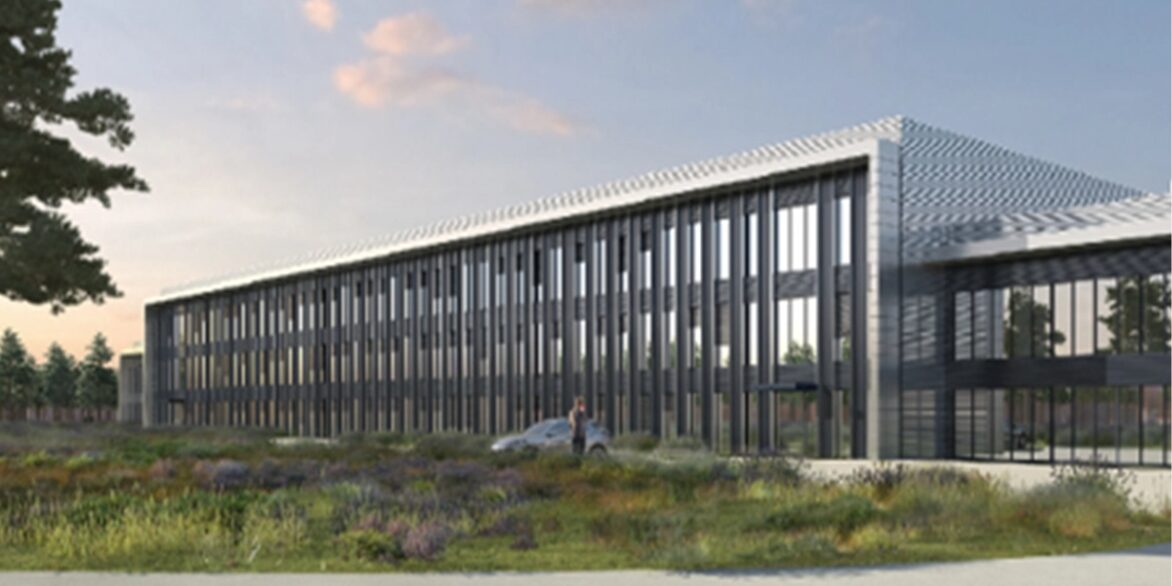
To support its growth, SAFRAN plans to consolidate its additive manufacturing activities for aeronautical parts production and its research on this innovative process at a single site. Additive manufacturing, inspired by 3D printing, allows for the creation of parts layer by layer, unlike traditional manufacturing methods that rely on material removal. To complement this process, more conventional techniques, such as heat treatment, machining, and surface treatment, will also be implemented at this new site.
PRELIMINARY MISSION – CESSATION OF ACTIVITY:
Before the start of new operations, a preliminary assessment was conducted with the previous operator of the site. This step involved identifying environmental regulations at both the national and local levels to ensure the site’s compliance with applicable legislation. Significant work was undertaken to identify and oversee the necessary studies and assessments to evaluate the site’s environmental condition. Simultaneously, rigorous environmental management was implemented to ensure the decommissioning of the existing facility and the site’s safety before any new occupation. This step ensured that the site was prepared to receive future facilities, in accordance with safety and environmental standards.
PREPARATION OF THE REGULATORY FILE:
One of the key tasks was preparing the regulatory file while adhering to the project’s deadlines. This file required integrating work carried out by various environmental specialists and involved numerous exchanges with administrative authorities to ensure that all regulatory requirements were met. Rigorous monitoring of the application process was conducted until the prefectural decree authorising the project’s implementation was obtained.
MODELLING HAZARDOUS SCENARIOS:
A thorough risk analysis was conducted, including modelling of the hazardous phenomena associated with the use and storage of metal powders used in additive manufacturing. In addition, more conventional accident scenarios were modelled, including events such as a tank burst, a fire in the logistics area, and a fire in a storage container. These models provided a better understanding of the potential risks and allowed for the development of necessary control measures.
APPLICABLE REGULATIONS:
All studies and actions carried out were in accordance with the Environmental Code, in order to ensure optimal management of environmental risks on the site, and to guarantee a safe transition in accordance with current standards.